导演:
主演:
上映:
1947
更新:
2026-01-30 00:41
剧情:
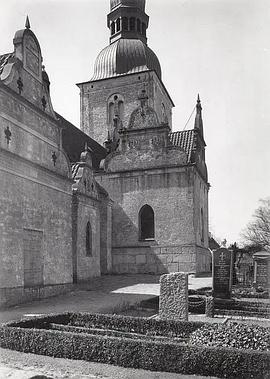
The history of Danish country church architecture is told by showing scenes of how the church was..
- niuniu
猜你喜欢
2026
4.0分
剧情片
杰森·莫玛 戴夫·巴蒂斯塔 莫蕾娜·巴卡琳 雅各布·贝塔隆 特穆拉·莫里森 克莱斯·邦 弗兰基·亚当斯 石原崇雅 斯蒂芬·鲁特 大卫·赫克里·肯努·贝尔 Mark R Black Marris Collins 马卡纳·大卫 迈克·爱德华 萝伊玛塔·福克斯 玛雅·凯洛哈 Cyndi Mayo-Akeo Cyndi Mayo 斯蒂芬·欧阳 莉迪亚·佩克汉
/
<p> 讲述一对性格迥异的同父异母兄弟——哥哥是行事冲动的侦探,弟弟是纪律严明的海军海豹突击队员——因父亲在夏威夷遇害而被迫联手,踏上一场危机四伏的追寻之路,誓要揭开背后隐藏的惊天阴谋。</p>
HD中字
2025
2.0分
剧情片
<p> 富士台经典系列《世界奇妙物语》迎来35周年,本次特别篇将以“全新3部+精选1部”的形式呈现四个故事。
①《不停止就无法活下去的游戏》:德永(山田凉介)因替朋友做担保而陷入债务危机,甚至连妻子都准备离开他。就在绝望之际,他收到一封神秘邀请函——参与一场“达摩不倒翁(不许动)”式的生存游戏,最后坚持到最后的人可获得30亿奖金。然而在“停下=死亡”的规则下,游戏的..
HD中字
2025
1.0分
剧情片
HD中字
2025
2.0分
剧情片
HD中字
2021
6.0分
剧情片
埃里卡·韦塞尔斯 Hlubi Mboya Leshego Molokwane Nomvelo Makhanya 德翁·洛茨 莫苏西·麦格诺 Brendon Daniels J.P. du Plessis Lizz Meiring Rafiq Jajbhay Masasa Mbangeni 本·克鲁格 Tamarin du Toit Marcus Mabusela Cindy Swanepoel 马
/
<p> 一名探员和一名连环杀手组成了看似不可思议的小分队,共同对抗全球拐卖儿童和性奴贩运网络。</p>
HD中字
2021
3.0分
剧情片
<p> 她是一位国标舞者,却在重大赛事的紧要关头遭遇危机,幸好有位街头舞者挺身而出,不顾自身过往的伤痛,担任她的出赛舞伴。</p>
HD中字
《丹麦小村教堂》剧情介绍
番茄影院提供影视作品丹麦小村教堂高清全集在线观看的影视全集网,剧情片《丹麦小村教堂》全集作品的导演是卡尔·西奥多·德莱叶 ,由Ib Koch-Olsen 主演,丹麦小村教堂在豆瓣的评分为1.0,本片由小编于2026-01-30 00:41更新,希望大家喜欢,可以把《丹麦小村教堂》推荐给你朋友,本作品的地址为 https://www.e746.com/e7/43061.html
《丹麦小村教堂》简介: The history of Danish country church architecture is told by showing scenes of how the church was used by the congregation, beginning with the celebration of mass in a small and simple wooden church 800 years ago, and ending with the congregation singing in a village church of to-day. The development and the growth of the pattern of church architecture is shown. Dreyer in this film shows a series of churches from different periods with churchgoers in period clothing. Each period is separated by a shot of a church bell double-exposed on the sky. Although the film has a vibrant and instructive way of communicating the different epochs and styles to students, it does not exhibit the artistic quality that usually distinguishes a Dreyer film, except perhaps in some of the costumes, which were originally made for Day of Wrath. The board of Dansk Kulturfilm in autumn 1945 decided that their planned church film would exclusively be about village churches. Dreyer would rework the script that was written by editor and folk high-school principal Bernhard Jensen, aided by a committee of experts consisting of architect H. Lønborg-Jensen and Victor Hermansen, curator at the National Museum of Denmark. Dreyer had a first draft ready in mid-March, entitled Kirken er et gammelt Hus ("The Church Is an Old House"), which was distributed to the members of the committee for their comments. In the last half of July, Dreyer and Victor Hermansen travelled the country to look at suitable churches. They researched the details and at Dreyer’s request a number of technical changes were made to the churches, including the removal of porcelain holders for electrical wiring in Tveje Merløse Church. On 4 July, Dreyer went in advance to Ringkøbing. Shooting was set to start a few days later with the arrival of the director of photography, Preben Frank, who had fallen off a ladder and broken his leg, Fortunately, he was ready to cautiously start working again within a few days, with his leg in a cast. Otherwise, the production went without a glitch. Everywhere, Dreyer said, they were well received at the vicarages and they had no problem getting enough extras. On 1 august, they returned to Copenhagen with almost all their footage in the can. They only needed to film the church in Skelby, where the weather had been against them, plus a Swedish wooden church in Hedared. The economy was distressed so soon after the war, especially when it came to foreign currency, but there were no real wooden churches left in Denmark and building an interior set in the studio would be too expensive. The finished film was shown for the first time on 24 September 1947 to a small, closed circle, which included the Minister for Ecclesiastical Affairs. In December 1947, as was Dansk Kulturfilm’s standard practice, the film was presented to the press, politicians and others on a programme with four other short films.